
Our Sterilization Standards

Keeping patients and team members safe starts with what happens after every single appointment, not just during it. Our Bethlehem office will follow the same strict clinical sterilization protocol used across our practice, built to eliminate any risk of spreading infection between patients.

Treatment Room Disinfection

After each patient, the treatment room will be cleaned from top to bottom. Disposable items get thrown out immediately, and every instrument, whether it was used or not, gets pulled and sent to sterilization. Every surface in the room is then wiped down with a fast-acting disinfectant strong enough to kill most bacteria, viruses, and fungi in 30 seconds, and tougher pathogens like tuberculosis in about a minute.

Disinfectants

Ultrasonic Enzymatic Cleaning

Before anything reaches the autoclave, instruments soak in an enzymatic solution inside an ultrasonic cleaner. The combination of the solution and high-frequency sound waves lifts away biological residue that a simple rinse would miss, which matters because sterilization only works if steam can reach every surface of an instrument. It also cuts way down on the need for anyone to manually scrub sharp tools by hand.
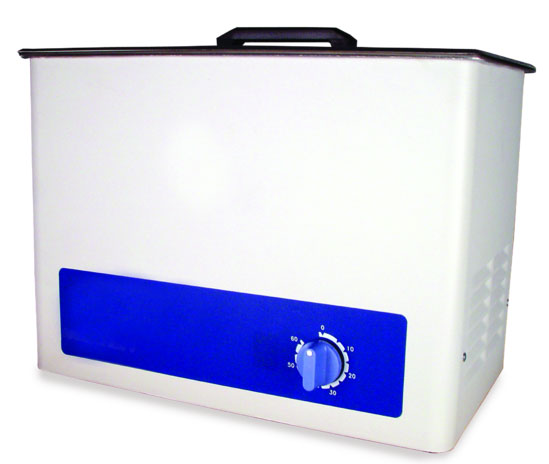
Ultrasonic Cleaner

Autoclaving

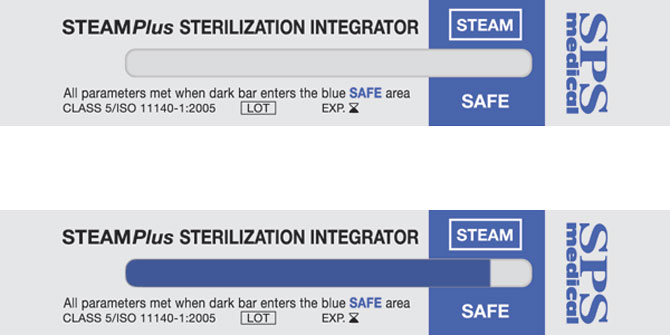
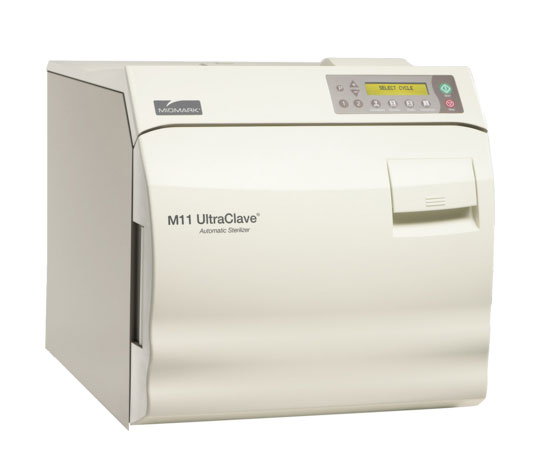
Once clean and dry, instruments are sealed into date-stamped pouches and run through our autoclave, which sterilizes using pressurized steam at 250°F for 20 minutes. Each pouch includes a chemical indicator that confirms sterilization actually happened. If a pouch's date has expired or its indicator doesn't check out, the contents go back through the autoclave before they're used on anyone.

Autoclave

Weekly Spore Tests

On top of the autoclave's own indicators, we send spore tests to an independent lab every week. These tests confirm the autoclave is killing even the most stubborn, resistant microorganisms, not just the easy ones.

Spore Tests

Universal Precautions

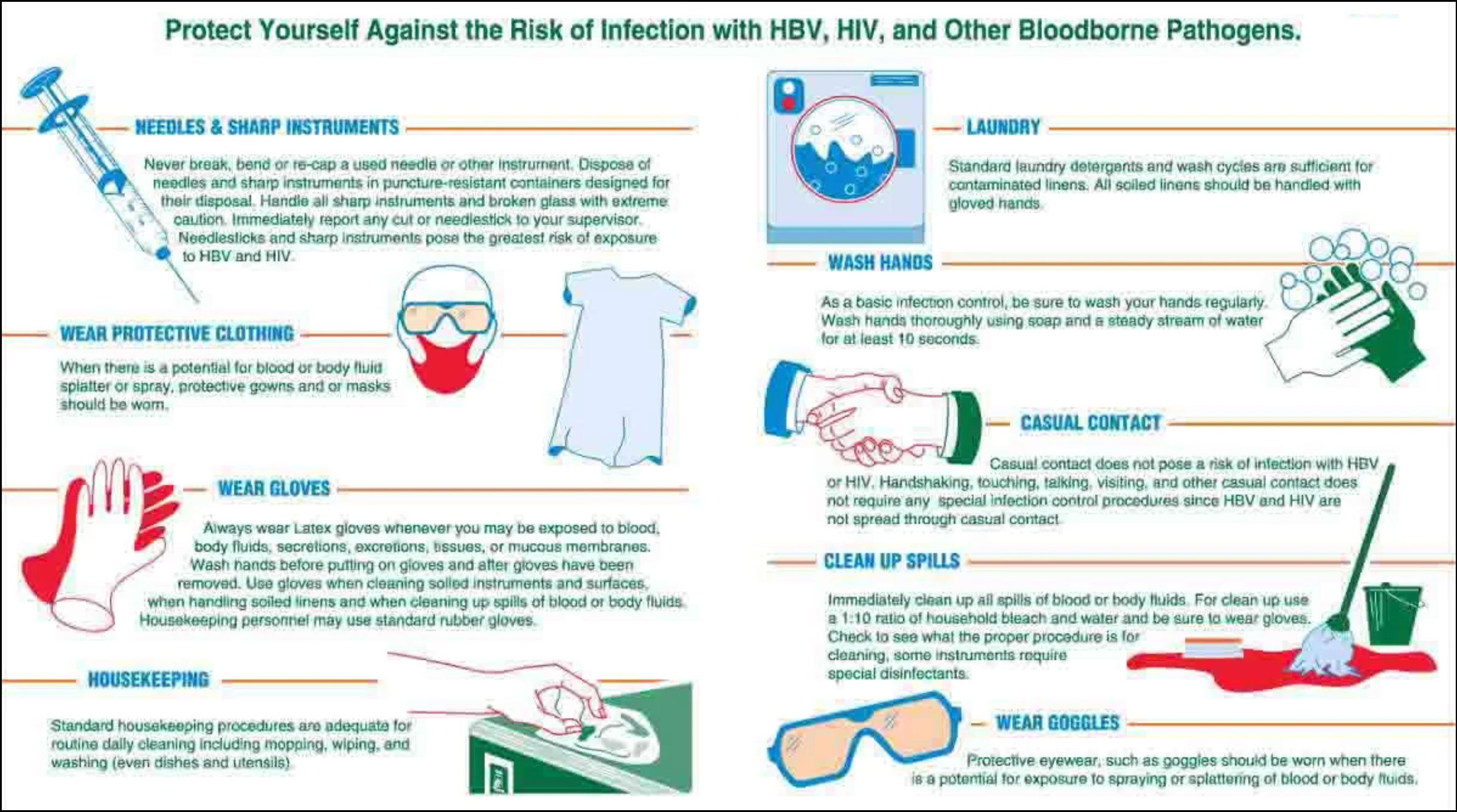
Every patient is treated under Universal Precautions, meaning all blood and bodily fluids are handled as if they could carry infection, no matter what a patient's medical history says. This approach protects against both known and unknown risks, and it applies to every visit without exception.

Universal Precautions

Personal Protective Equipment

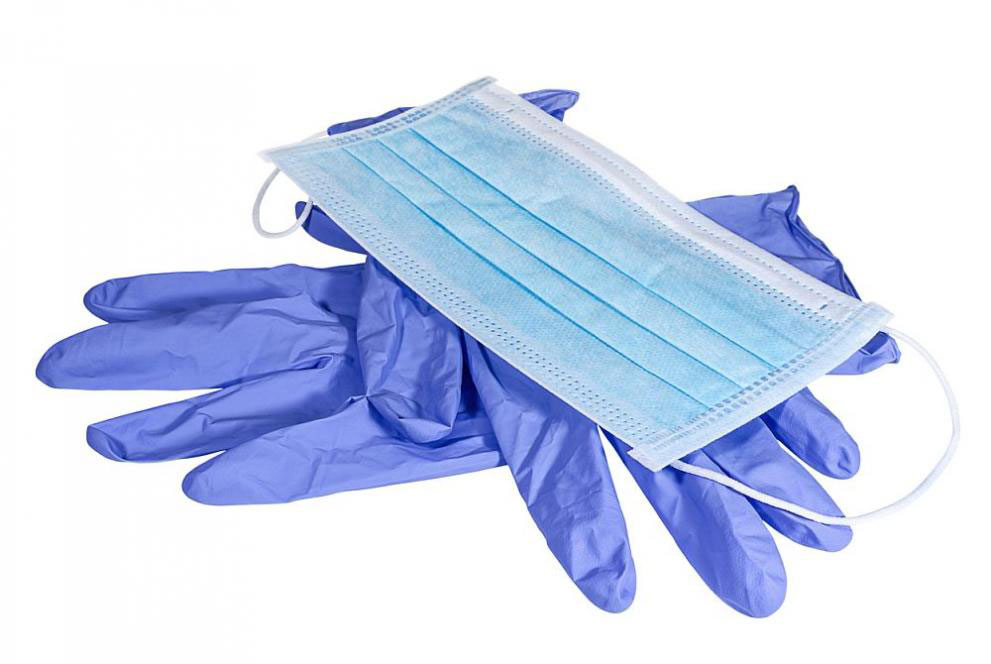
Our clinical team will wear proper protective equipment, gloves, masks, and eyewear, for every single patient interaction. It's a two-way protection, keeping the team safe while also making sure nothing passes from the team to a patient.

Gloves and Mask